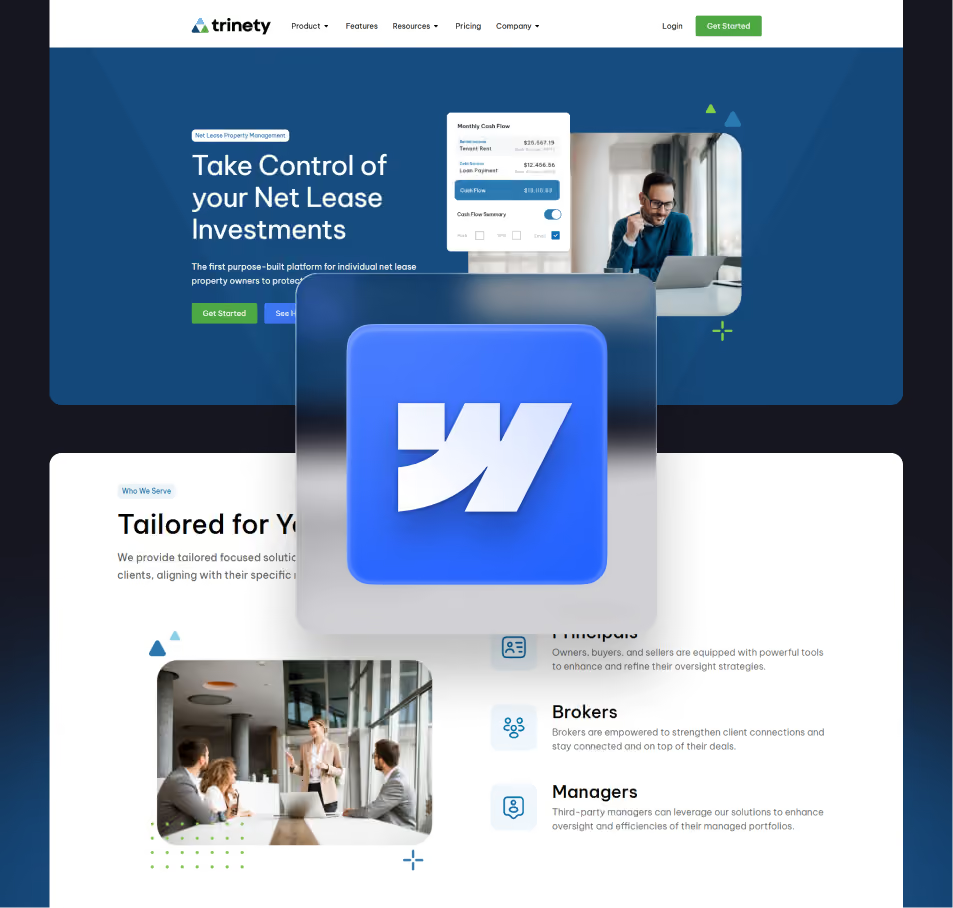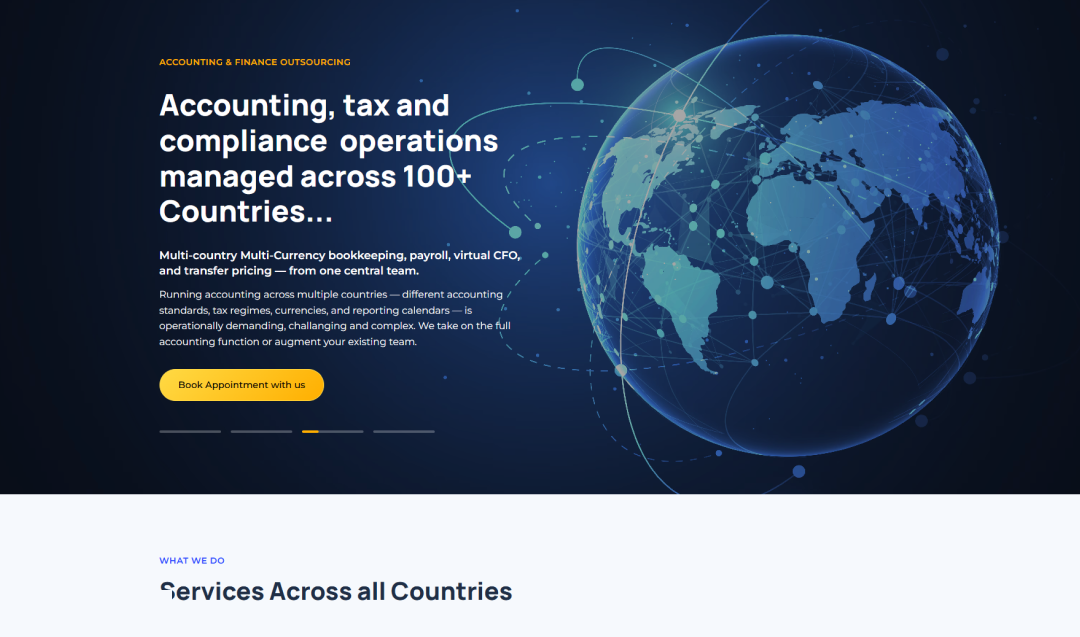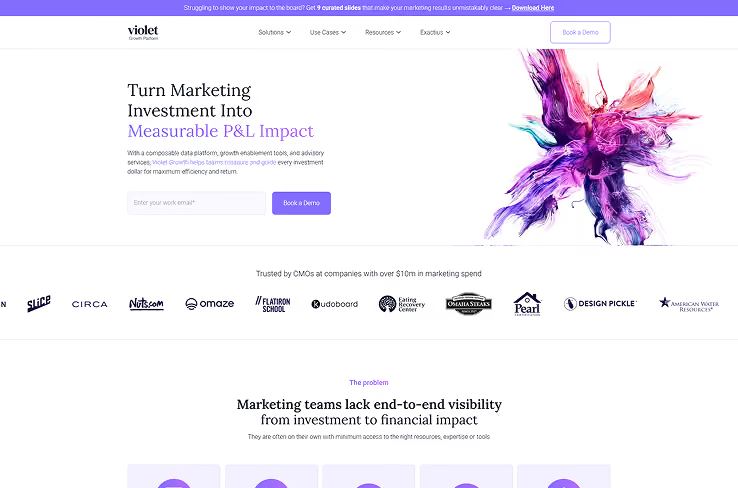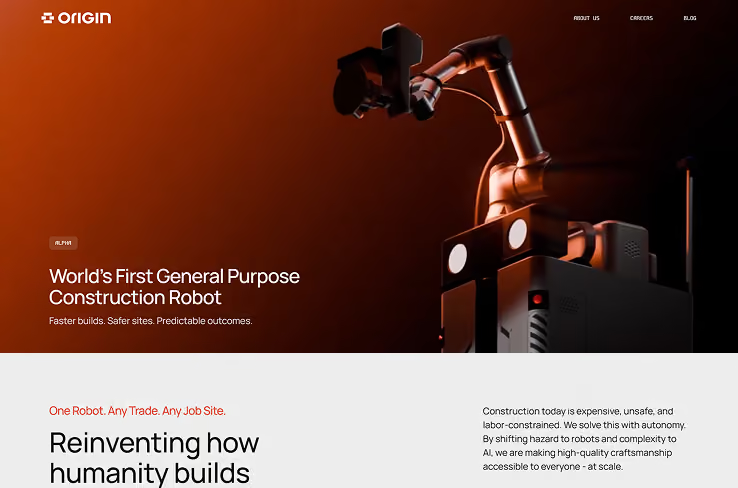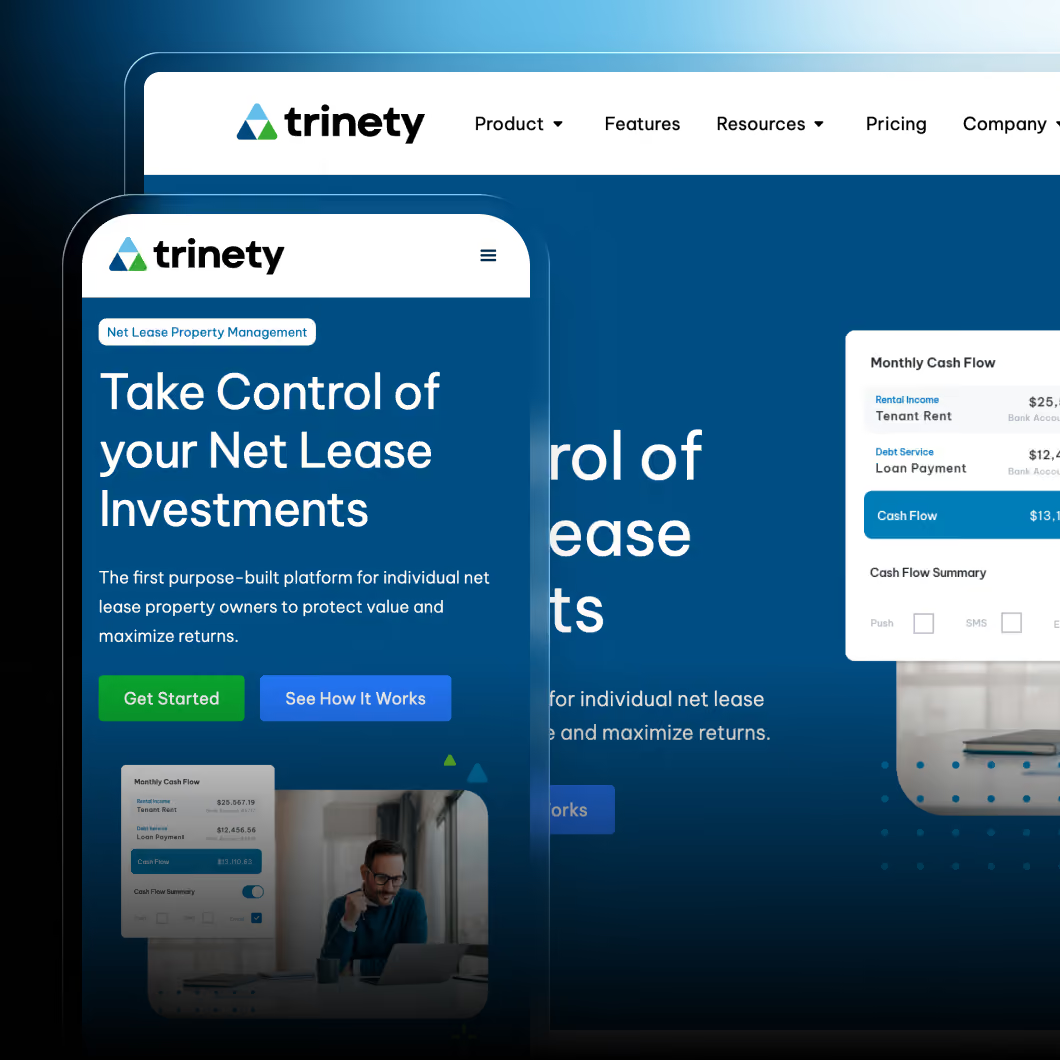
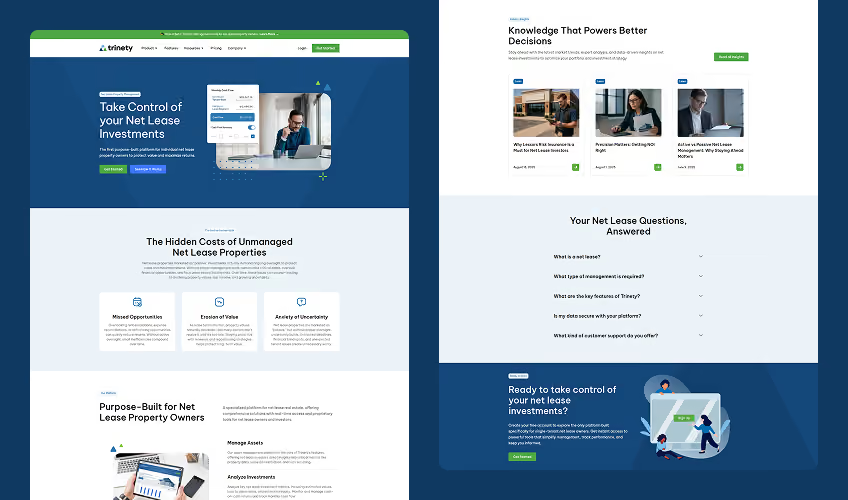
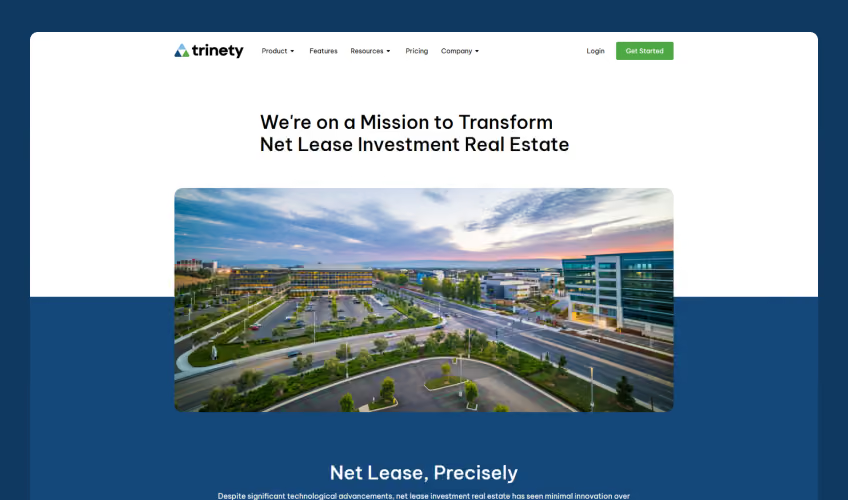
A clean, focused marketing site designed in Figma from scratch
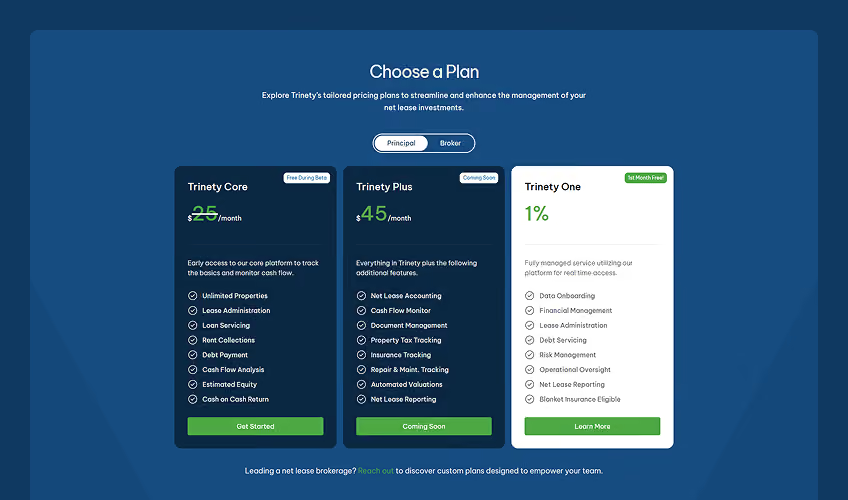
Homepage, Platform, Features, Pricing, About, Contact - designed in Figma, then built pixel-faithful on Webflow. Clear product narrative, structured around the three buyer roles Trinety serves (Principals, Brokers, Managers) and the three core capability areas (Asset Management, Financial Analysis, Compliance).
A resource library built to scale, not just sit there
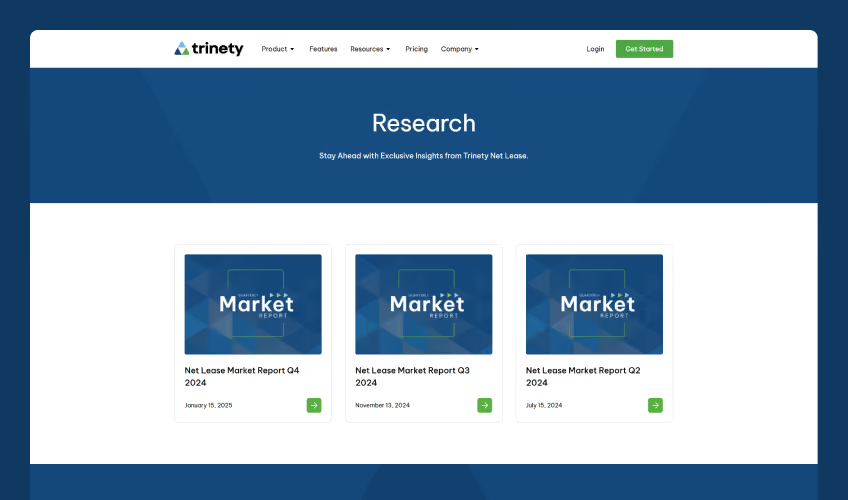
This was the centerpiece of the build. We built the Resources section as a real content system, not a blog plugin:
- Two-axis filtering - visitors filter by **Content Type** (Features, Learn, Research, Blog, News, Podcast) and by **Topic** (Mixed-Use, Alternative Properties, Multifamily, Industrial, Office, Retail). Filters work together, so a broker looking for "Research on Retail" gets exactly that.
- Search functionality that surfaces relevant articles, market reports, and learning content across the full library.
- Categorized landing pages - separate hubs for Insights, Research, and Learn - so visitors can enter the library from whichever angle matches their intent.
- Featured cards at the top of each hub for the most current or important content, so the library always feels fresh on first load.
A CMS architecture the Trinety team can extend forever
Every new article, market report, or feature post slots into the same CMS structure. New filter values can be added without touching code. The Trinety team publishes monthly market reports, learning content, and product updates - the system holds together as the library grows from dozens of pieces to hundreds.
Conversion paths placed where buyers actually decide
Schedule Demo, Get Started, and Contact CTAs surface naturally throughout - including inside article pages, where most thoughtful readers actually convert. The resource library isn't a dead-end content silo. It's a path to the product.