Webflow is the best choice for web developers because it offers a streamlined development process, reduces coding, and provides powerful tools for design and animation.
Webflow is a visual development platform that fills the gap between design and development. While it initially gained traction among no-code creators, Webflow has evolved into a robust tool that web developers are increasingly embracing.
In this article, we will explore why Webflow is good for web developers, breaking down its most powerful features and the specific benefits that make it a go-to platform for modern devs.
What Is Webflow?
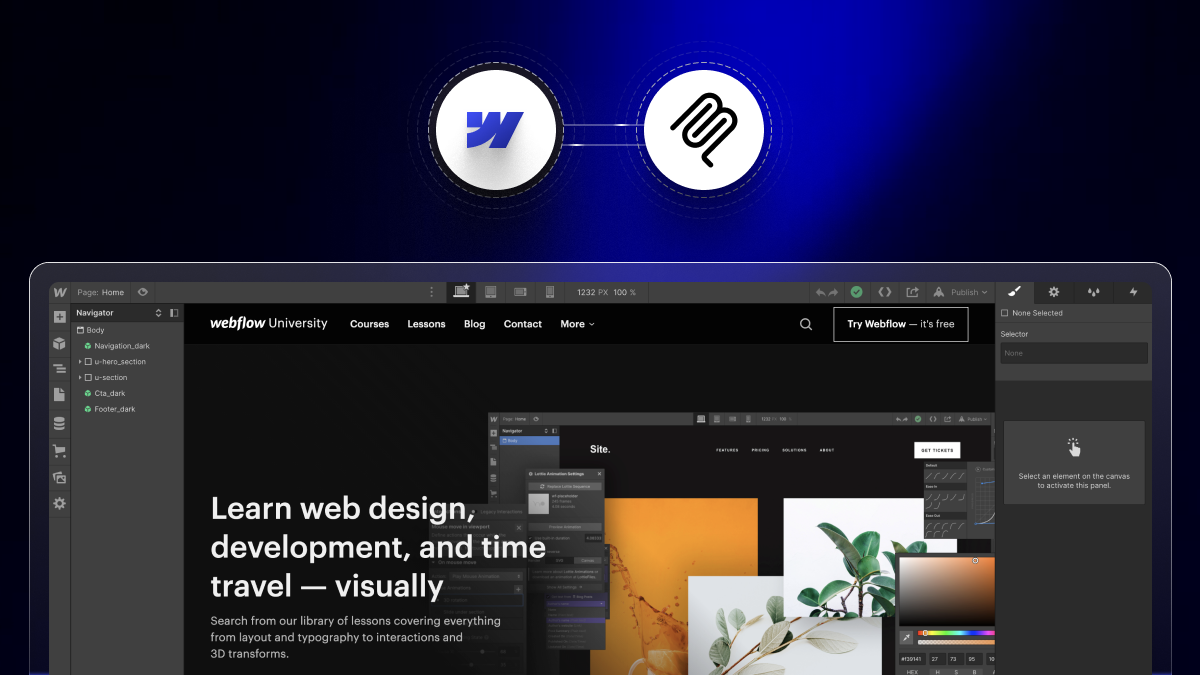
Webflow is a visual web development platform that allows users to design, build, and launch responsive websites without writing code. It is an all-in-one platform that combines web design, web development, CMS, and hosting in a single interface.
Who Uses Webflow?
Webflow is used by a wide range of individuals and organizations, including
- Small to Medium-Sized Businesses: There are so many SMBs that use Webflow for building their professional websites without requiring coding.
- Entrepreneurs and Freelancers: Webflow's ease of use and customization options make it attractive for building online presences and showcasing work.
- Startups: Startups benefit from Webflow's ease of use and ability to create custom websites quickly, especially for marketing purposes.
Top Reasons Why Web Developers Love Webflow
Let’s break down the most important benefits that make Webflow stand out for developers:
1. Streamlined Development & Collaboration
- No-Code Design Environment:
Webflow's drag-and-drop interface allows you to create fully responsive designs visually. The Designer tool writes clean code behind the scenes, which you can tweak or override as needed. - Faster Prototyping:
The Webflow prototyping feature allows you to build interactive prototypes that are production-ready with no need to duplicate work in Figma and then recode it. - Reduced Design-Development Gap:
Webflow allows designers to work directly in Webflow, so developers can add the final polish or integrations, minimizing communication gaps and revision cycles. - Seamless CMS Integration:
Define custom content structures visually, then bind them to layouts. Perfect for blogs, portfolios, directories, or any dynamic content.
2. Powerful Design & Interaction Tools
- Responsive Design:
Webflow automatically adjusts layouts to different breakpoints. You can also customize layouts for specific devices. - Animations & Interactions:
Webflow offers the best tools to trigger interactions based on scroll, hover, load, click, and more. - Custom Fonts & Global Styles:
Webflow developers can easily upload and manage custom fonts, colors, and component styles across the site with global classes. - CSS Grid & Flexbox:
Webflow utilizes modern CSS Grid & Flexbox. Layout tools that match what developers use in practice. Webflow makes these easier to implement visually, with full flexibility.
3. SEO & Performance Optimization
- Clean, Semantic Code:
Webflow generates clean and semantic HTML/CSS code that helps search engine crawlers and improves SEO. - Built-in SEO Tools:
Webflow offers a tool for managing meta tags, creating clean URL structures, defining Open Graph settings, and auto-generating sitemaps. - Fast Loading Times:
Webflow-hosted sites load faster thanks to global CDN, minified code, and auto image optimization. - Responsive Image Optimization:
Webflow automatically generates responsive image variants for different screen sizes.
4. Other Developer-Friendly Advantages
- Reduced Reliance on Plugins:
Webflow doesn’t require third-party plugins for basic functionality, reducing bloat and security risks. - Scalability & Flexibility:
With the help of Webflow, build simple landing pages or scale up to enterprise-grade websites. Webflow offers flexibility for all use cases. - Ease of Use:
Once you learn the Webflow interface, development becomes more intuitive and efficient compared to traditional coding workflows.
Recommended To Read: Top Reasons To Choose Webflow Website Development Platform
Conclusion
Webflow development demands efficiency, flexibility, and high performance. Webflow checks all the boxes, offering a visual platform that doesn’t sacrifice control or scalability. It fills the gap between design and development, enabling developers to deliver more in less time without compromising quality.
Whether you’re building a sleek portfolio, a dynamic CMS-powered website, or a marketing campaign with animations, Webflow empowers developers to build faster, smarter, and better.
FAQs
1. Is Webflow only for no-code developers?
Not at all. While it offers no-code tools, Webflow is extremely powerful for developers who want both speed and control. You can add custom code, integrations, and work with Web APIs.
2. Can you use JavaScript in Webflow?
Yes. You can insert JavaScript inside <script> tags in page settings or embed custom components using the Embed block. Many developers use Webflow with GSAP, Lottie, and other JS libraries.
3. Is Webflow scalable for large websites?
Absolutely. Webflow can handle complex site structures with hundreds of CMS items, dynamic content, and fast global hosting. Many enterprise-level websites are built and managed on Webflow.
4. Do professional web developers use Webflow?
Yes. Thousands of professional developers and agencies use Webflow to streamline workflows, collaborate with design teams, and deliver high-quality websites faster than traditional methods.